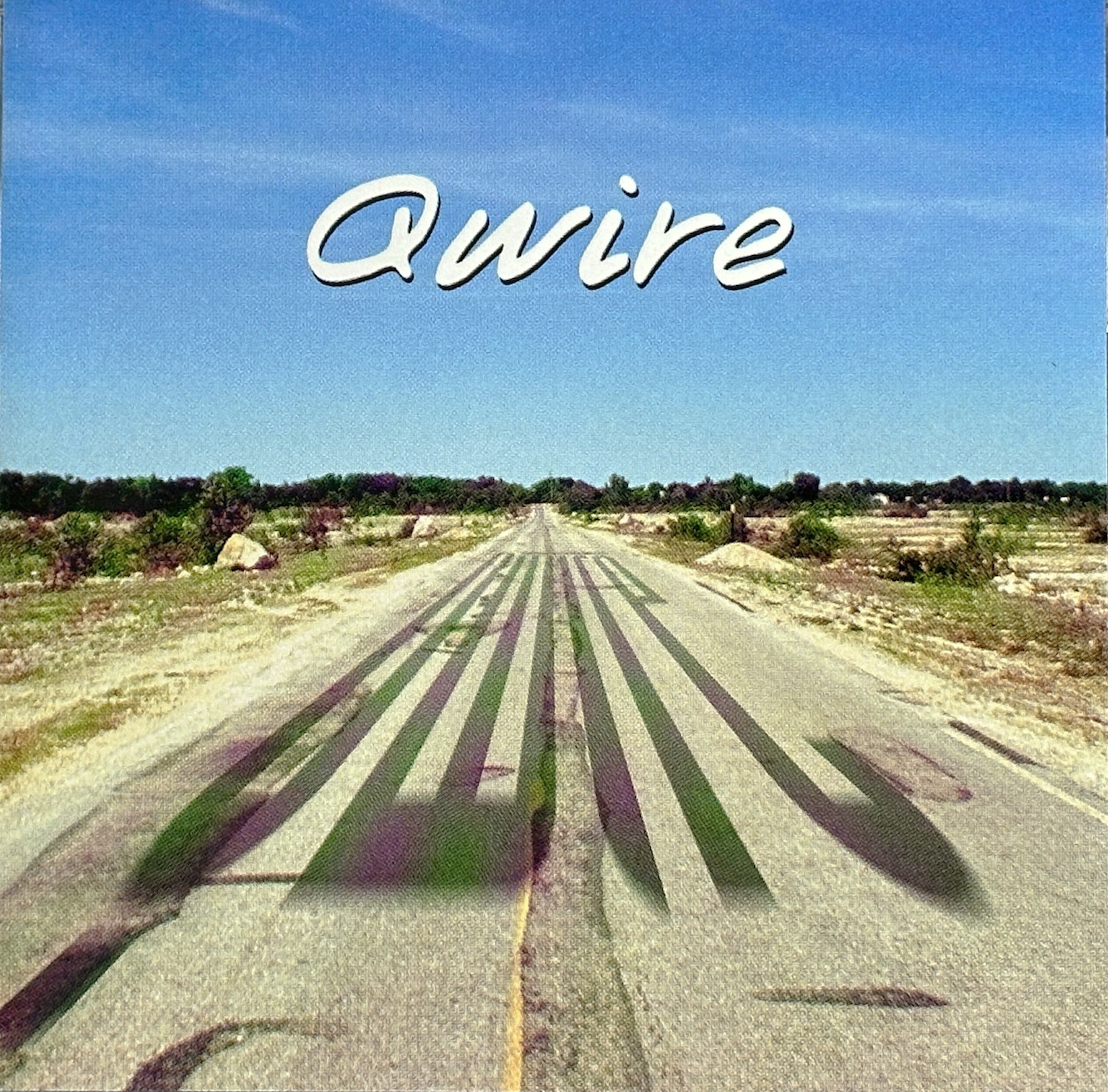
QWIRE
was a Silicon Valley electro‑acoustic ensemble active in the mid‑1990s, formed by musicians who met through Stanford University’s Center for Computer Research in Music and Acoustics (CCRMA) in Palo Alto California, one of the world's foremost institutions for music technology research. Drawn together by a shared fascination with the emerging possibilities of digital instruments, software synthesis, and live electronic interaction, the group created a sound that was equal parts improvisation, experimentation, and groove.
Blending elements of jazz, rock, world music, and avant‑garde electronics, Qwire performed with a hybrid instrumentation that was ahead of its time: celletto (electronic cello), electric/MIDI violin, MIDI guitar, synthesizers, electric bass, and live percussion. Their performances explored the boundaries between acoustic gesture and digital transformation, often using real‑time sampling, interactive interfaces, and early computer‑assisted processing that was at the cutting edge of what was possible in the mid-1990s.
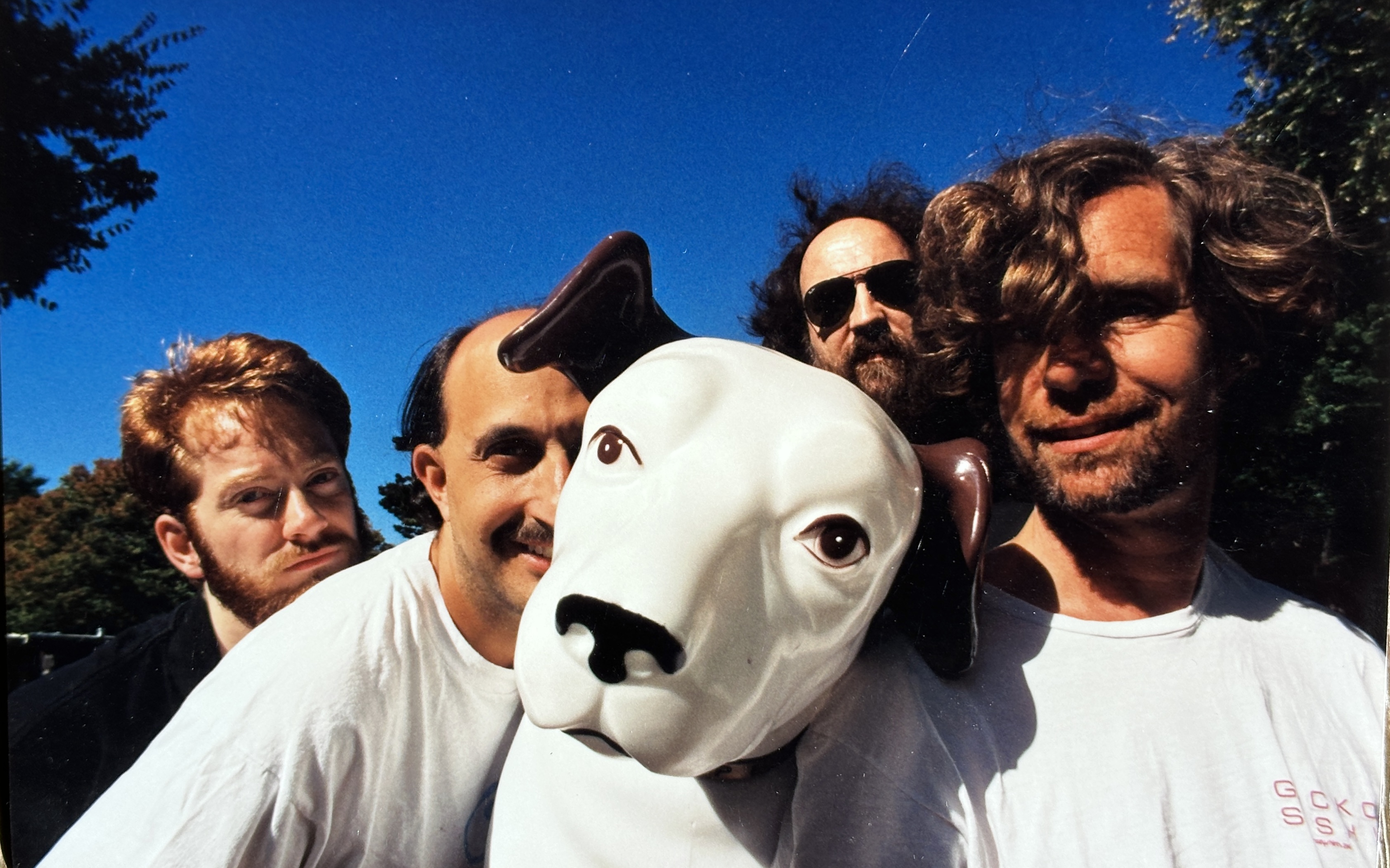
Band Members
Qwire’s members brought world-leading expertise in computer music research, software synthesis, interactive performance, and digital audio into a single electro-acoustic ensemble, turning the band into a living laboratory for new musical possibilities at a time when such tools were still experimental. Most of the instruments, processors and software used to create Qwire’s unique sound were designed and built by the band members.
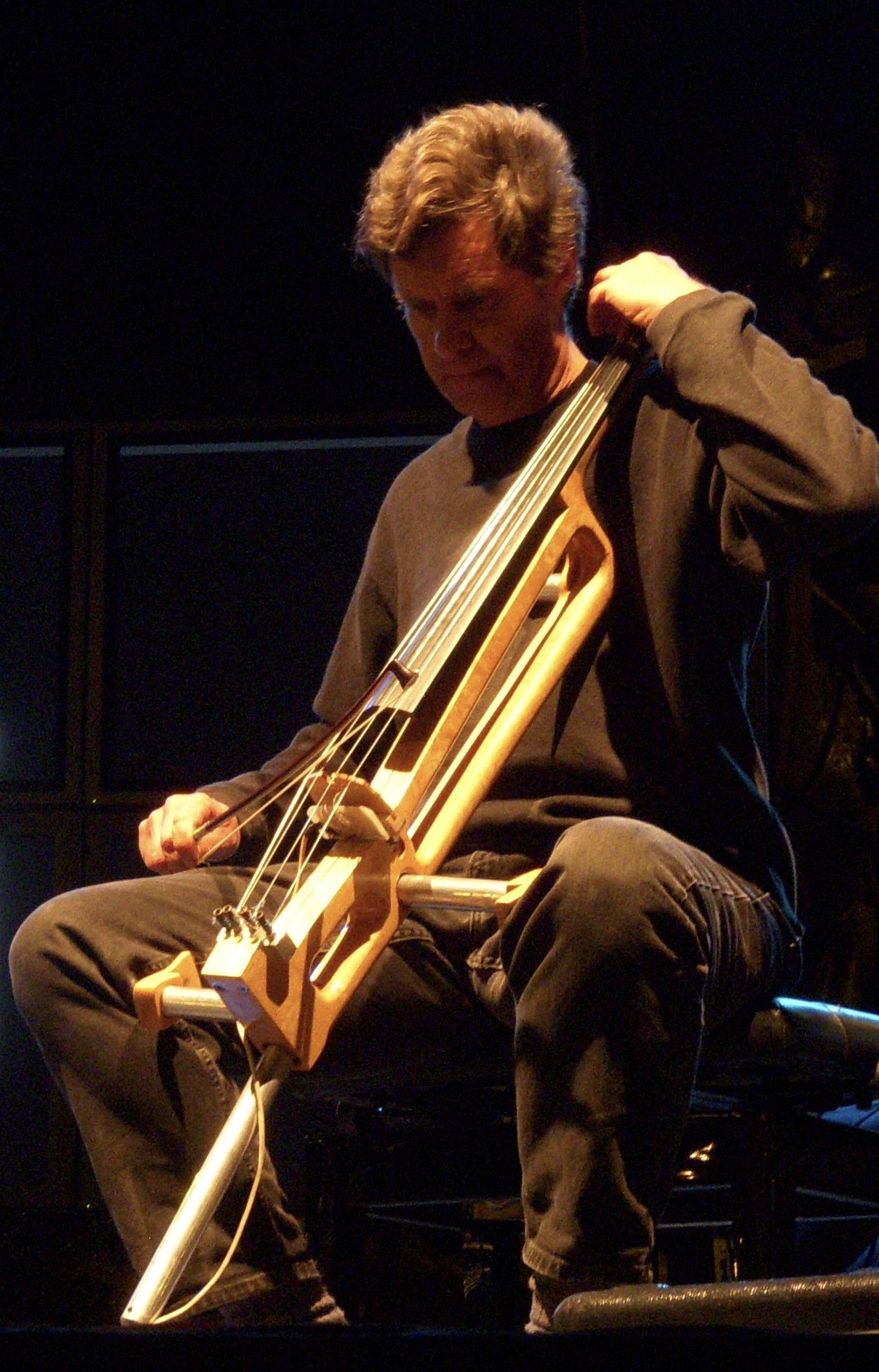
Chris Chafe
Celletto
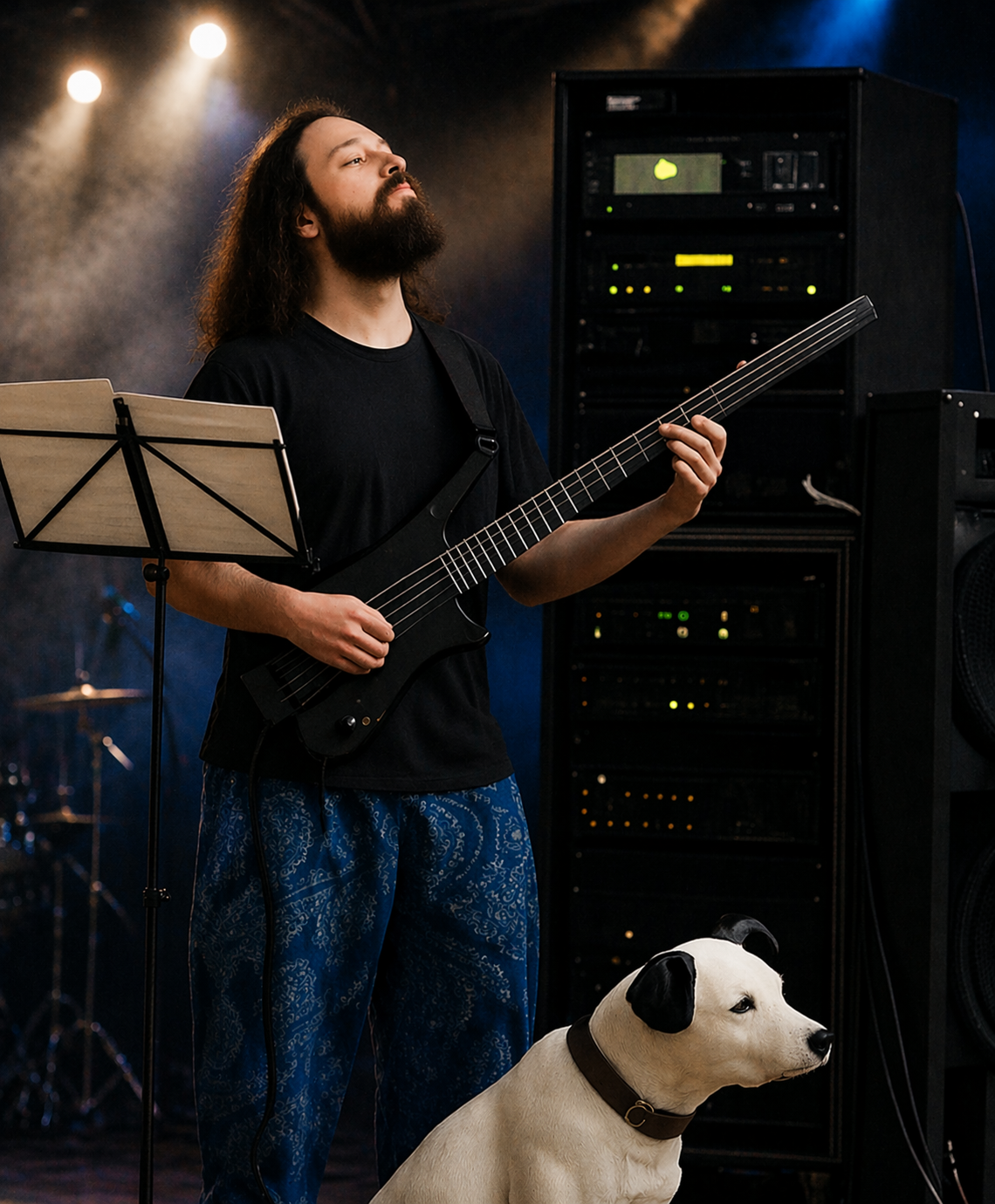
Stanley Jungleib
Keyboards, bass
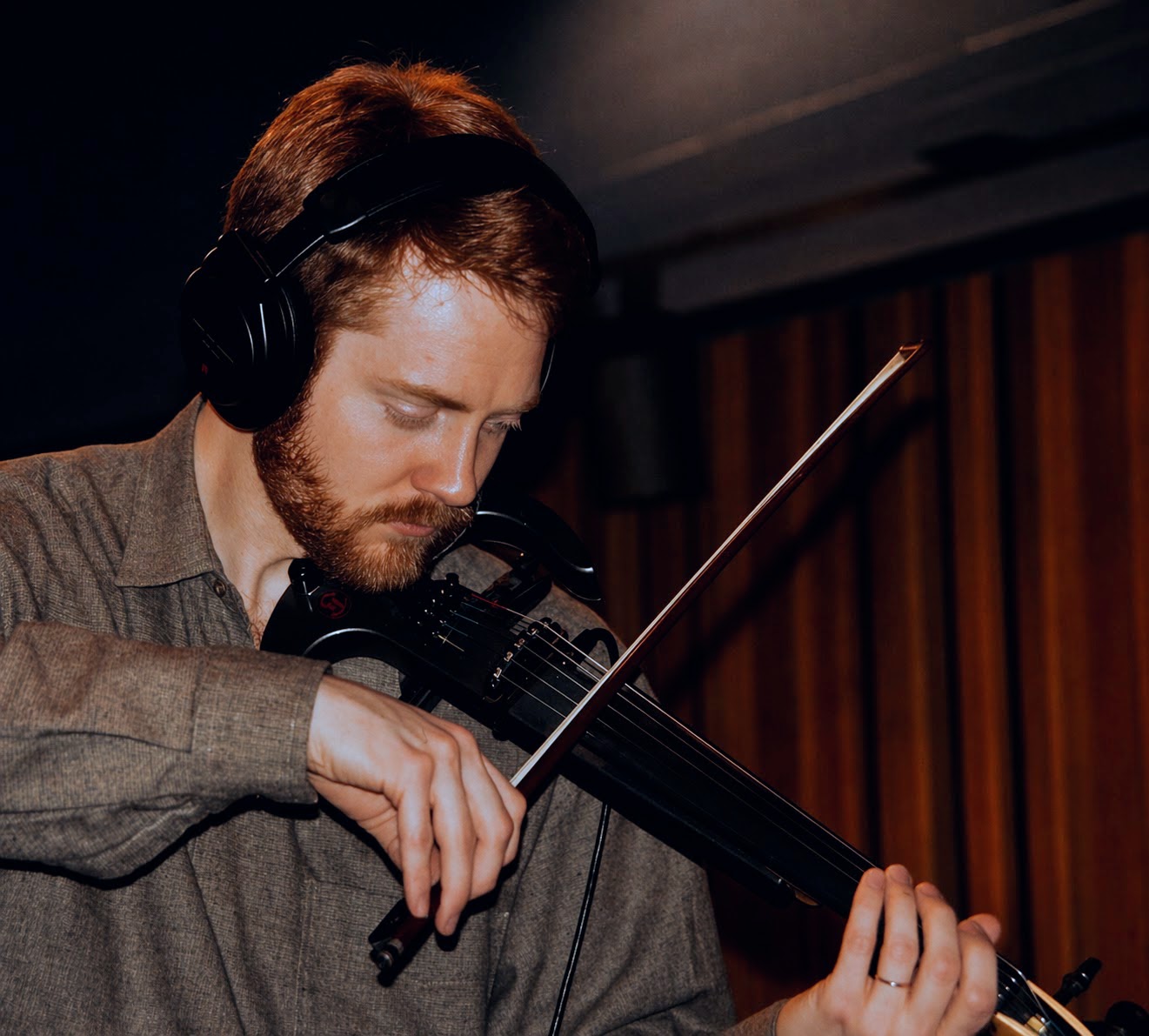
Barry Hall
Electric violin, bass
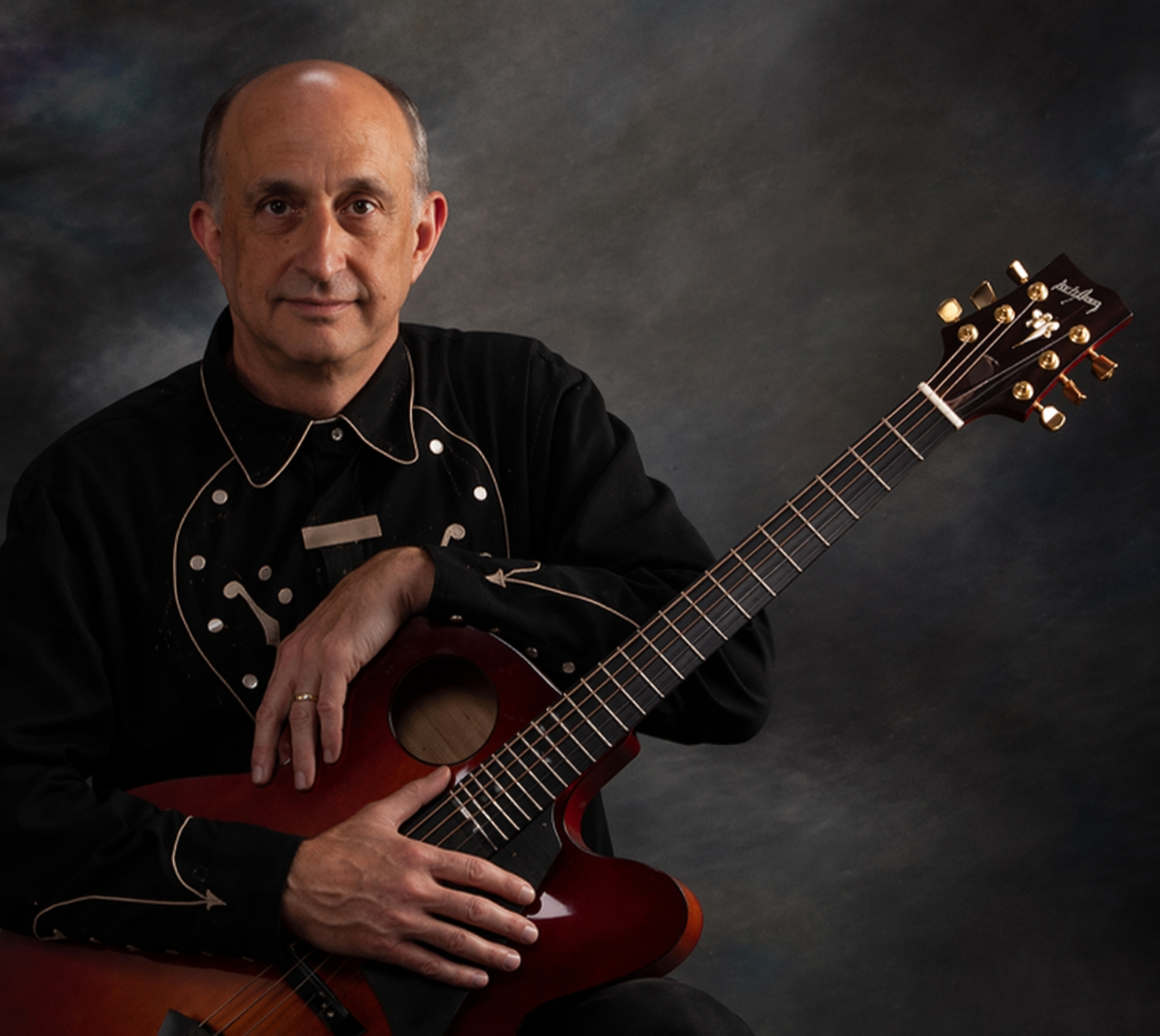
Fred Malouf
MIDI guitar
Chris Chafe
Chris Chafe is a composer, improviser, and cellist whose work has helped define the field of computer music and networked performance. He is Chair of the Music Department at Stanford University and former Director of Stanford’s Center for Computer Research in Music and Acoustics (CCRMA), one of the world’s leading hubs for innovation in music technology, where he develops music alongside cutting-edge research in digital synthesis, telematic performance, and data sonification. His projects range from long-distance ensemble concerts over high-speed networks to large-scale sonifications of scientific and environmental data, making him one of the key figures connecting musical practice with emerging technologies.
Stanley Jungleib
Stanley Jungleib is a synthesizer pioneer whose career bridges classic analog instruments and the birth of software-based synthesis. After working with Sequential Circuits during the Prophet era and contributing to the early days of MIDI standardization, he founded Seer Systems, the company widely recognized for developing the world’s first commercial and first professional host-resident software synthesizers for Intel, Creative Labs, and ultimately the Reality and SeerMusic systems. His work helped shift synthesis from dedicated hardware into general-purpose computers, laying groundwork for the soft-synth environment that modern electronic musicians now take for granted.
Barry Hall
Barry Hall is an electric and MIDI violin innovator whose work at Stanford’s CCRMA explored how software can interact with and respond to live performance. Collaborating with composer and researcher Daniel Oppenheim, he helped pioneer interactive musical systems for violin, including the “Concerto in D for MIDI Violin and Dmix interactive software,” a landmark work for computer-assisted improvisation that was performed around the world and featured on BBC Television’s Open University. In Qwire, Hall extended this research into an electro-acoustic ensemble setting, using electric/MIDI violin and fretless bass to push timbral extremes and real-time processing in live performance.
Fred Malouf
Fred Malouf is a guitarist, MIDI-guitarist, composer, and technologist whose career has woven together live performance, improvised music, and software development at the forefront of computer music. A long-time collaborator in CCRMA's creative community, he has performed and composed there from the mid-1980s onward, and contributed code to Seer Systems — the pioneering Silicon Valley company behind the world's first professional software synthesizers. Drawing on experience in the technology sector, including work at major companies such as Sequential Circuits and Apple, he fused expressive guitar performance with early real-time processing and sound design, treating MIDI guitar as both an instrument and a control surface for live electronic transformation.
Dispatches from the Future (Studio + Live)
Released for the first time in streaming form, this expanded edition brings together the original self‑titled Qwire CD, recorded live direct‑to‑digital in Stanford’s state‑of‑the‑art multitrack studio, with additional live recordings from Stanford’s Frost Amphitheater and other San Francisco Bay Area performances. The studio album features Chris Chafe (celletto), Stanley Jungleib (keyboards, bass), Fred Malouf (MIDI guitar), Barry Hall (electric violin, bass), and Muruga Booker (drums/percussion), with a special appearance by vocalist Síle O’Modhráin in a haunting retelling of the Celtic legend Miyar and Aideen, set against an ethereal electronic backdrop.
The ensemble’s interplay is immediate and adventurous: driving grooves, evolving textures, timbral extremes, and moments of delicate atmospheric stillness. Originally reviewed in Computer Music Journal as “fresh and lucid… a unique space between Shakti, Frank Zappa, and John Zorn, with an ethnic funkiness, a hint of techno, and a healthy dose of experimentation,” Qwire’s music captures a moment when digital instruments were still new, unpredictable, and full of possibility. These recordings document that moment with immediacy and electricity, a snapshot of Silicon Valley’s creative underground before laptops and soft synths became ubiquitous. The result is a body of work that feels both of its era and strangely timeless.